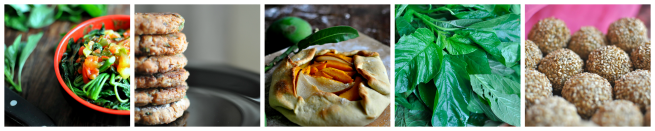
 In the last blog post I talked about how we need to pay homage to the food that makes up the cuisine of this nation. It is one of the main purposes of this little blog here. And because there is so much food to talk about, I am continuing by rounding up foods that are found here in Uganda and are locally grown. I am also sharing links to some recipe ideas from the archive that you can make with them. Just so you know, I had a hard time limiting the list to only 21. There is so much to discover and so much cooking that has happened here. Wishing you all a wonderful independence day.
Amaranth/Dodo greens
First off is this classic vegetable that, come sunshine or rain, will sprout and thrive almost anywhere. Currently it is glistening from the backyard because of the rain that has graced the land. It is mostly known as poor man’s food but I am set to break the stereotype because this vegetable is packed with lots of nutrients. And on my quest to break the stereo type, I challenged myself to learn how to cook it in different ways. Here are some of the ways you can prepare dodo and still have a great time eating it. Stir-fried, sauteed, in rice, and in pasta.
Cassava
Cassava is one of my favourite tubers. My father can testify. I love my cassava very much especially the crispy friend kind. I also realise frying is probably not the best way to cook so, aside from a comforting cassava –bean katogo (which I am yet to share), I tried this sour cream pudding with chocolate and coconut and these cassava balls and I cannot wait to make them again because it is a good base for desserts and chapati. Also this incredibly tasty cassava leaves soup called sombe is worth a try.
Sweet potatoes
Speaking of chapati, I made this sweet potato chapati that is a must try. We have started harvesting our sweet potatoes and it will be chapati all day every day soon! Another way to cook sweet potato is by making these sweet potato balls, fries/chips, rolls which are a fragrant and less expensive but flavorful alternative to making cinnamon rolls and these sweet potato filled cookies.
Tea
We Ugandans are tea drinkers. Maybe it is a British influence or probably an Indian one but we love our tea and we will drink it any time of the day! So here are some other ways we can drink tea. Iced in the hot days with lemons and also with lemongrass.
Passion fruit
There are some things that are synonymous with Uganda and I believe passion fruit is one of them, especially the juice. In fact it should be the national juice. Don’t you think? So here is this lemongrass infused passion juice because that’s how we make it without a strainer.
Chapati
Another one synonymous with the nation is chapati. I was having a food related conversation a few months back and I realised we consume a lot of wheat. A LOT! Every morning you pass by stalls and kiosks making heaps of chapatti, samosas, and mandazi and they are consumed every day on top of bread! We consume a lot of wheat! So here are ways you can eat your chapati: in the morning as a rolex or a jumbo beef rolex. The possibilities are endless what with CNN talking about the rolex here and here.
Bananas
Matooke, Ndizi, menvu, bogoya, gonja. Name it, we have it all. I was reading through an encyclopaedia published in 1992 (before the internet took over reading) about Uganda and found out one of the major exports was bananas. Can you imagine the amount of bananas those were? So here are some I have written about that you can try. Gonja, and then make these donuts, these banana pancakes, these muffins, and the epic kabalagala and if you are against frying you can try this steamed version called ebwanga. Also did you know that the banana blossom is edible and tasty too? Here is one way to make it.
Pawpaw
Paw paw is an instant snack and desert with only natural sugar. And it is so good on its own but if you want to be experimental, try these killer slushies to beat the heat and this edgy salad. If you want to be fancy (who doesn’t?!) you can try these vegetarian pawpaw cream parfaits that made it to CNN last month.
Black jack
Similar to Amaranth, black jack is literary everywhere. Chances are you will find it where ever there is a bush of some sort. It is also medicinal and makes killer tea (at this point I realise the lines are blurred. Everything that makes a hot beverage is called tea!).
Mujaja
The fragrance that this herb releases is otherworldly! If you have not had Mujaja tea before, you should. It is soothing and smells amazing.
Maize
What is life without maize? You know especially if you have undergone the Ugandan education system? You feed on posho and porridge for over 12 years! And to think all the high school leavers have had to eat poshso for all that time is just insane! So I am imagining by the time secondary school is over, no one wants anything to do with anything maize. But then fresh maize, hard corns (gweke style) and some corn bread thrown in there will keep you coming back. So here are some suggestions. This posho stir fry, sautéed maize, and this creamy St. Marcellin salad.
Ntula/garden eggs
Ntula have been around for as long as I can remember and I despised them in my childhood because they are bitter. But now they are one of my favourite vegetables to cook with because they have a great texture and the bitterness adds an unexpected twist to food! They can even be eaten raw! Try out this ntula muekene stew and these ntula fritters.
Mangoes
My favourite fruit so far (and hopefully forever)! I call it the super fruit. Don’t believe me? Try these mango popsicles, this three layer cake with mango syrup, this green mango jam (which is epic!) and this mango-pear pie, You can find them too almost everywhere! And now that the trees are starting to put on fruit, I cannot wait to get my fill of green mangoes because the fun is in actually eating the green sour ones with salt chilli, sugar and anything really!
Samosas
Again what is Uganda without samosas or sumbusas might I say? You will find them, just like chapatti, on every corner being vended. I have eaten some the tastiest samosas on the streets! And because we love them so much, we fill them with vegetables, beans (peas) and even rice! Yes we eat them every which way and in every size too! Try these ones with melty cheese!
Beans
Beans! What would we do without beans? And the great part is we have almost every variety under the sun! White, red black yellow small big in every shape color and size. Try these palm oil fried beans, these surprisingly good stir-fried black beans sprouts and this fresh bean soup and this black bean stew.Also beans make really good burger patties.
Pumpkin
Have you ever noticed that the best pumpkins are not even farmed? They just grow by themselves on waste pits and heaps. Now before you think this is a bad thing, let me explain why these are some of the best pumpkins and why they thrive. You see biodegradable waste is manure for these seeds that we randomly throw. Because the environment is so conducive, these seedlings thrive to become the greenest vines and they give some of the best pumpkins. And we like our pumpkins alongside that soft matooke preferably steamed. Here is some comforting pumpkin soup and pumpkin stir-fry to try.
Nile Perch
Every time I am travelling I keep eyeing those larger than life Nile perches being butchered by the road side. One of my dreams is to buy a massive one and then cook it whole in herbs and spices because that amount of flesh they have is just so unbelievable! Did you know that when the CNN crew came to shoot me in my kitchen my parent’s kitchen, I made perch with groundnut stew and we ate it with akalo (which we call obundu). It was such a great day. You can watch the video here and then go make the stew. Also fish to be specific perch in bugers is epic. The flavours are amazing. You should try it.
Mukene
I have spotted packaged fried mukene in supermarkets many times. It is great as a snack and can be made into sauce too! Here is how I mostly prepare it with a rich base of tomatoes and it goes well with posho, rice and anything really.
Simsim
I have childhood memories of bucket of simsim paste sent to us by family friends. I learnt to eat it with sweet potatoes and the taste is otherworldly! If you haven’t tried simsism with sweet potatoes, you should. I made a remix of the two by making these simsim balls. Now I always have a bottle of simsim because I like sprinkling it on almost anything. It enhances the flavour of almost everything.
Irish Potatoes
Did you know that aside from cassava and matooke, irish potatoes and popular for making katogo and chips/fries but mostly katogo. Here is a potato-groundnut katogo to try.
Millet
I hear tales from my parents that I used to feed on millet a lot as a kid. A LOT! It was when I fell in love with bushera that I started to appreciate millet. I have been experimenting with making millet bread and the bread is so rich and filling. Here is a massive donut I baked with millet over a year ago.
Phew! That was a long list! I hope you find something to try in this season of celebration. Make sure you let me know when you do try them out or use the #AkitchenInUg to share your creations inspired by the above.
🙂
Sophie

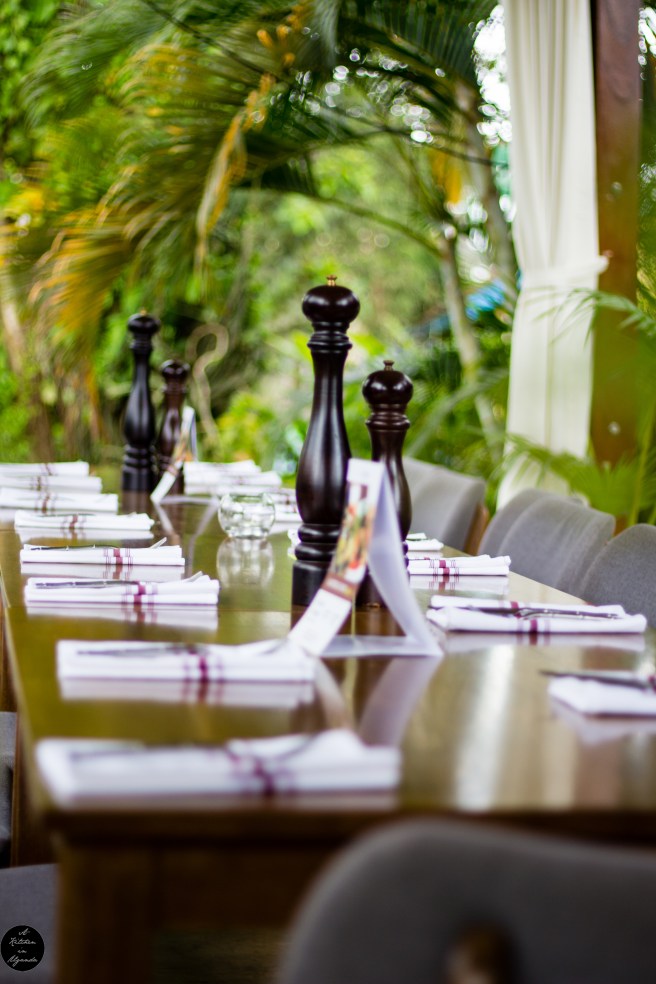 For me, food is closely associated with gatherings, friends, and family. Food plays a huge role in bringing people together and forging relationships. Although A Kitchen in Uganda emphasizes home cooking, once in a while, it’s wonderful to explore what is on the food scene around Uganda.
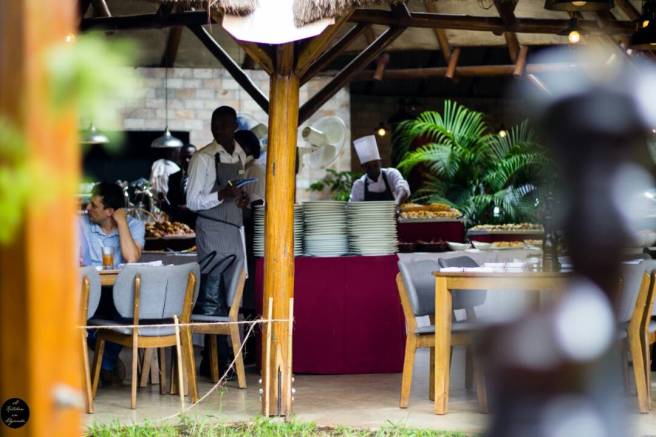 On Sunday the 30th of April, I had the privilege of attending Le Chateau’s Bottomless Brunch and Bubbly; a monthly event that brings people together for brunch. Le Chateau’s monthly bottomless brunch and bubbly is all about bringing people together, creating a great environment for them to let loose and let go and serving up a storm of a variety of unlimited food.
 I got Bella, a fellow creative and CEO of Enviri Za Nacho (EZN) to come and experience brunch with me.
 When Bella agreed to come along, I was thrilled because that meant I got to know more about the amazing woman behind EZN and of course share a meal with her.
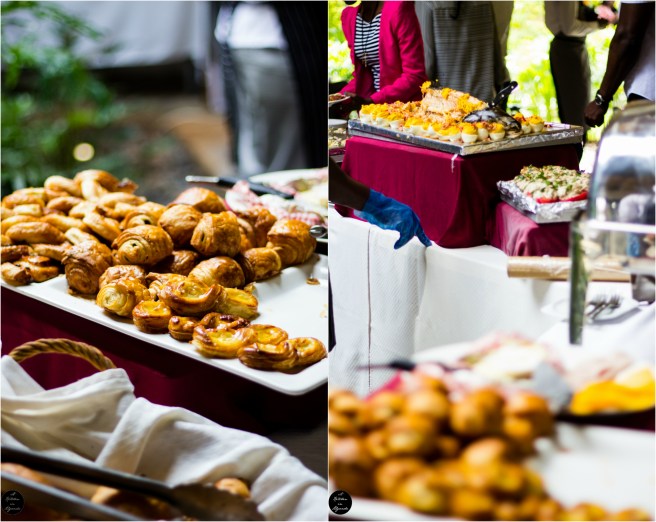
 Since the restaurant’s menu is based around Belgian and French cuisine, we had our fill of perfect buttery croissants and macaroons (the desserts are great!). There was an endless supply of drinks, cheese, fruit, dessert, an assortment of cold cuts and chips-exactly what you need on the lazy Sunday when you don’t want to do anything in the kitchen.
  Le chateau is situated along Ggaba Road in Nsambya; right next to the USA Embassy. The restaurant has a wonderful ambiance; a cross over between modern, lush greenery and traditional African-a photographers dream really! It threatened to rain that day but ended up showering a little which created the perfect mood for an epic brunch affair.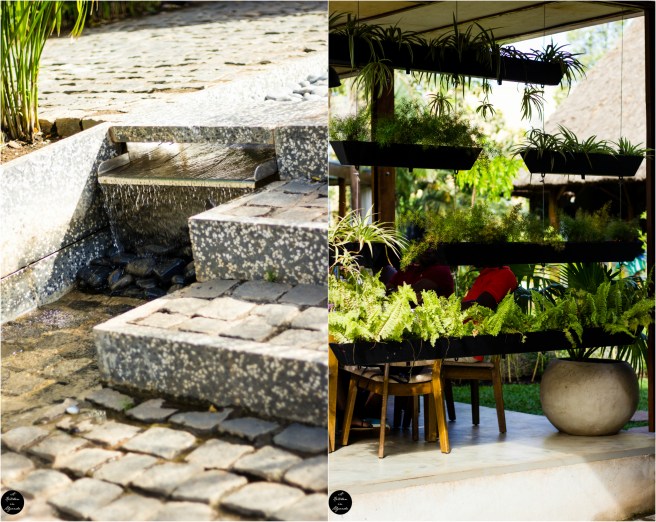

 With an awesome personal attendant, an array of different foods, an endless supply of drinks, to say that we had a wonderful time is an understatement. I will let the pictures speak for themselves. Yes, I know you like what you’re reading. And yes, it’s every end of the month. And oh, it’s family friendly too. Couldn’t get any better!


 A Kitchen In Uganda