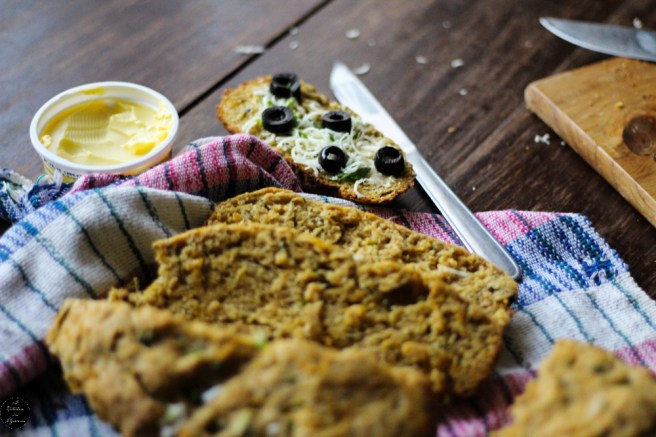
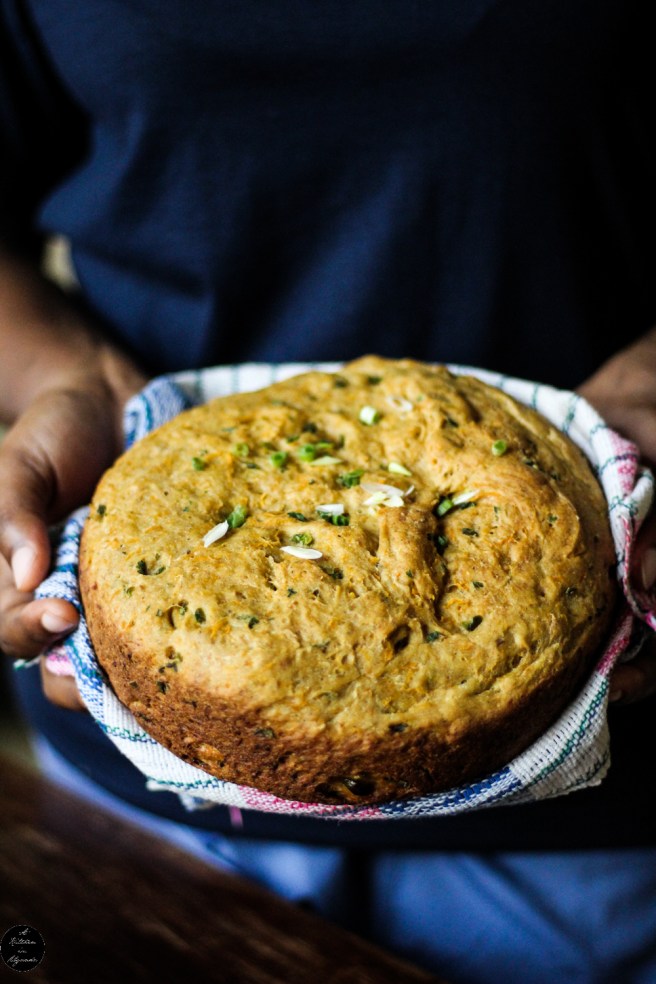
Savoury Mozzarella Soya Bread


quesopan-AKIU-4

I have been on a baking high lately and every chance get, I keep buying yeast just so I can smell the wonderful and pleasant aroma of yeast wafting through the kitchen when the bread dough is rising. Do you ever feel that way?  Let us talk about this bread. It is made with ingredients that can be found easily. With a perfect combination of carrots, green pepper, spicy ginger, and mozzarella, this filling hearty bread is sure to frequent your baking routine. The best part: Mozzarella keeps the loaf moist and soft even after it has completely cooled off. Good news is you do not have to have an oven to bake. A charcoal stove can work and a pressure cooker too! This bread is probably one of the best I have ever made.  With Paramount Dairies Mozzarella cheese, you can make this savoury, tasty filling soya  bread because everything is better with cheese. Let me just stop talking so we can start baking.

quesopan-AKIU-5

What you will need:

4 C. Baking Flour, sifted

2 C. Soya flour, sifted

2 C. Carrot, grated

1 ½  C.  Mozzarella, grated

½ C. Green pepper, finely chopped

1/8 C. Ginger, grated

1/8 C. Parsley, finely chopped

1C. Milk, warm

½ C. Oil

2 Large eggs

4 Tbsp. + 2 Tbsp. Sugar

4 Tsp. Yeast

3 Tsp. Salt

½ Tsp. Black pepper

cheesebread11

Observations:

  1. Have an extra 1/2 cup of flour at hand for dusting your working area.
  2. The grated carrot and ginger have liquid in them. Less milk is needed for the flour but have an extra 1/2 cup of milk at hand.
  3. Soya flour softens the texture of the bread. You can substitute chickpea flour If you do not eat soya.


Method:

  1. In a bowl, add milk and 4 tablespoons of sugar and mix till the sugar has dissolved. Add the yeast and cover bowl for 10 minutes. In a separate bowl, whisk the egg and oil together and set aside.
  2. In another bowl, combine the carrot, green pepper, ginger, black pepper, salt, sugar, cheese, parsley, wheat flour and soya flour. Mix all ingredients.
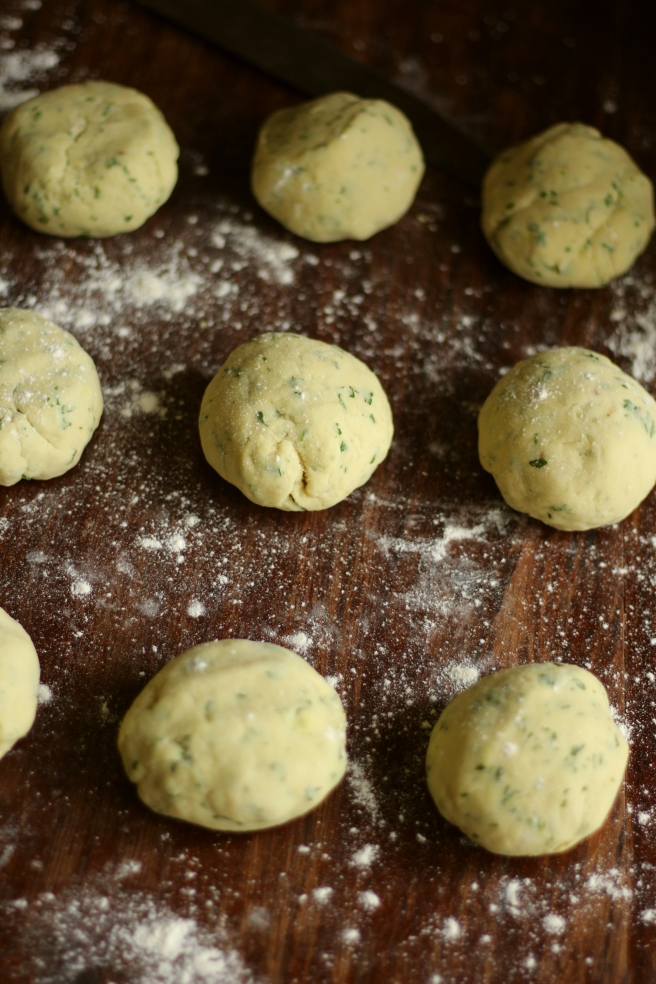
  3. After 10 minutes, pour the oil-egg mixture into the milk-yeast mixture and stir well. Gradually pour the yeast mixture into the bowl with the rest of the ingredients. Knead till a firm non sticky dough if formed.
  4. Cover dough with a wet towel and let it rise for 1 hour.
  5. Grease/ oil your baking pans with margarine and set aside. After 1 hour, punch dough down and knead for 10 seconds. Divide dough into two equal parts and place each dough into the baking pans. Let the dough sit for another 15-20 minutes.
  6. Light a charcoal stove. Get two large aluminium pans (They have to be large enough for the cake/bread pan to fit in). Put ash in one pan (about 2-3 inches of ash). Put the pan with ash on the stove and cover than pan with the second pan. This is the ‘preheat’ moment.
  7. After the dough has risen for 20 minutes, gently place the baking dish in the pan (the one with the ash in it) on the stove. Cover with the second pan. Let the doughnut bake for 30 minutes (don’t open the pan at this stage). After 30 minutes have passed, get hot charcoal from the stove and place it on top of the covering pan making sure they are in the centre of the pan. Bake for another 30 minutes or unit the bread turns slightly golden brown.
  8. Serve warm. Makes two loaves.

quesopan-AKIU-8

These loaves are great on their own because they have all the good stuff in them but you can serve them alongside your favourite beverage or soup.Use the #AkitcehnInUg to share your creations.

🙂

Sophie


This post is made possible by Paramount Dairies. You can find Paramount mozzarella and other cheese products in major supermarkets in Kampala.

Sweet Potato Parsley Chapati

AKIU-chapati1

Have you caught up on the rolex bandwagon? You should because 2016 is the year of the rolex. CNN confirmed it here. In fact it needs a hashtag of its own! I am already dreaming of the many ways I am planning to recreate it aside from this one. But first there is perfecting the chapati recipe which is what I will be talking about today.I am sure you all kitchen enthusiast have made chapati  at least once in your lifetime. I have encountered many versions. and I believe this is what makes chapati very special. There is a standard formula but you will most likely find everyone cooking it based on what they have, their preferences and where they come from. A few weeks ago I was watching a video on chapati making and Miriam stressed very well how East African chapati is fried in oil. In fact there is even deep-fried chapati too! Totally Awesome. So here is a version that I really love that is so filling and very soft because of the sweet potatoes incorporated in. Again this recipe can be adapted to your preferences. I prefer to pan fry  this chapati because this gives it a crisp exterior and a moist soft interior. Also this chapati is more on the sweet side because of the sweet potatoes. They can be eaten on their own, with beans or as a rolex once you add an egg. Make these at the beginning of the week and you will be covered for the whole week.

AKIU-Chapati6

What you will need:

3 C. Sweet Potatoes

2 C. Baking flour

½ C. Warm water

¼ C. Parsley, finely chopped

1 Tbsp. Oil

Pinch of salt

Oil for frying

Observations:

  1. The type of sweet potato will determine the color  and sweetness of your chapatis
  2. Have extra flour nearby for dusting the workplace and rolling pin
  3. Over kneading the dough will cause the chapatis to get hard.
  4. Roll the chapati according to your desired thickness.


Method

Peel the sweet potatoes and boil them till soft and tender. Measure three cups of boiled sweet potatoes and mash them finely. Add flour, salt, parsley and oil. Mix while adding water little by little until a firm dough is formed. Knead the dough for one minute. Set the dough aside for 10 minutes.  After 10 minutes, divide the dough into 9 equal balls. Dust the working surface and roll out the balls into chapati.  Heat about a teaspoon of oil on medium heat. Add the chapati. Keep flipping every after 5-10 seconds until the chapati becomes fluffy-ish and has turned slightly golden brown. Remove from fire. Repeat the process till all the nine balls are done. Makes 9 Chapatis. Serve with your favourite sauce, stew or just fry an egg and have a homemade rolex on the go.

AKIU-Chapati4


🙂

Sophie


Palm Oil Fried Beans With Plantain

Happy April! Amazingly, the first day of the month was welcomed by a heavy shower that lasted long into the day. All of a sudden, plants that have been thirsty for over 4 months got their fill of rain and now look as green and full of live as ever.  Currently we are in the romantic stage of the rainy season. You know where it is so ideal to just pull up the blanket and sleep the whole day, take a hot cup of tea or a warm bowl of soup and watch the sky darken in the middle of the day. This is the time when comfort food is much-needed. First off are these hearty palm oil fried beans with the perfect accompaniment of plantain.

But first, there is something I feel I need to get off my chest.

For the longest time, I feel like there has been a huge misunderstanding  between plantain and green bananas. Here in the country though, we do know the difference in our local languages but when it comes to English, the two(and generally all species of bananas) have been interchanged. Plantain  is locally known as gonjya while Green bananas are known as matooke.

Plantain is a species of bananas that is eaten when ripe. It is usually steamed/boiled with or without the peelings before eating. When they are ready for harvesting, they slowly start turning yellow.  The difference between plantain and  regular yellow bananas is that plantain is never eaten raw. It has to be cooked. Plantain is popular in the whole nation. It is even considered street food once roasted and put on a stick/ skewer. Among many others, plantain goes really well with beans. Long distance travellers like buying roasted plantain from vendors because of its filling and sweet nature.  As much as plantain is popular, it is pricey and is eaten on rare occasions.

Back to these palm oil beans. Palm oil is a spice in itself and one can be able to detect it from a meal. That is why it is perfect with beans because it adds a flavor even I cannot put into words. Just try it OK! Here is a post I wrote last year about palm oil. One thing I have discovered with cooking is that t is quite hard to stick to specific measurements. I find cooking by instinct a little bit more satisfying. But to kind of give you an idea of the serving size, here is a recipe.


RECIPE COMING SOON


Leave a comment below on what you cook with palm oil. Also, have you found someone who mistakes plantain for matooke?

🙂

Sophie