
How to Make Ugandan Banana Pancakes – Kabalagala Video

kabalagala-AKIU-7

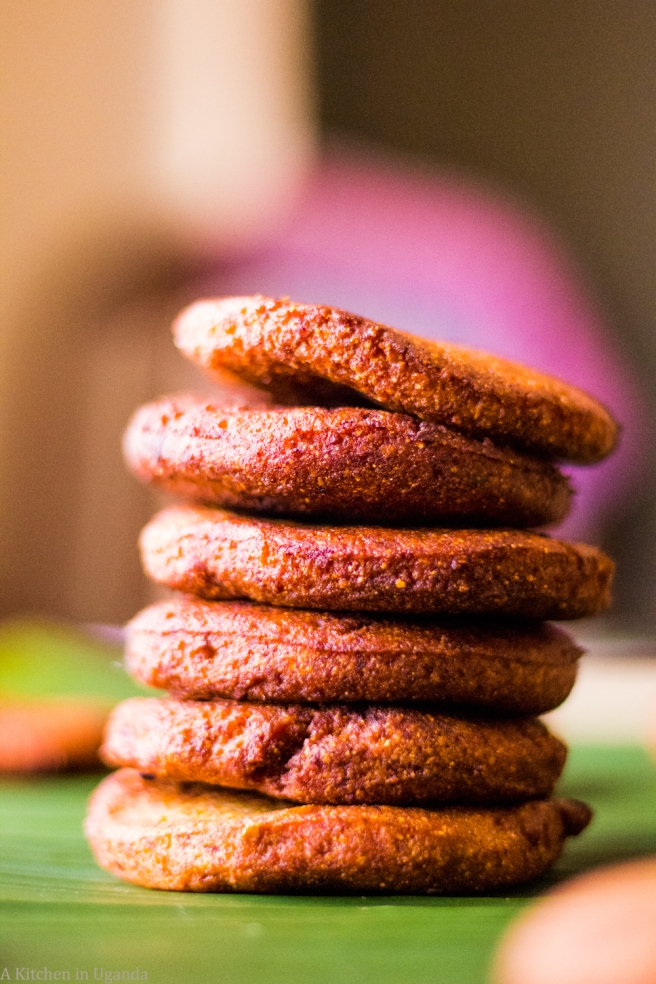
Kabalagala has been the ultimate desert/snack for almost as long as I can remember. Thinking back, a lot of memories are attached to this delicacy right here. And since we have already dubbed the Rolex as the nation’s ultimate power street  food/snack, I though it only fair to give these sweet banana pancakes the spotlight too. Because lets be honest: Who does not love pancakes? They can be eaten for breakfast, lunch, supper and as a snack too. And what not a better way to have them with a favourite drink/ beverage? Ultimate dessert it is!

As I promised on Instagram, it is time to let you know about some great things coming your way. First off, I plan on making more fun short videos. Check out the last two I posted on my YouTube channel and don’t forget to subscribe for more great content.

Secondly, I have received numerous emails on  whether I have a book in print. Having a book in print is hard work, I have found out lately. But this does not mean we should all give up. So I am working on a recipe calendar for 2017 that will be out in about 5-7 weeks from now. It will be filled with great recipes, photos and useful information. Also, it will be a great gift to give to friends, co-workers and loved ones especially since we are heading into the holiday months.  I am excited already. Aren’t you?

Now back to these pancakes.
Traditionally, pancakes are a mix of just plain cassava flour and ripe sweet bananas which yields a well textured  mildly sweet chewy pancake. I decided to add a little sugar because this sweet tooth I tell you! along side baking soda, it helps  create a soft sweet pancake. I could go on and on but the bottom line is these pancakes are worth a try. I have put together a small video to guide you. Watch it below and get frying.

KABALAGALA (UGANDAN PANCAKES)

Yield: 10-12 Pancakes

Ingredients Amounts


Ripe Sweet Bananas 2 Cups

Cassava Flour 4 Cups

Sugar 2 Tablespoons

Baking Soda 1/2 Teaspoon

Oil for frying 3 Cups


Method

  1. Peel the ripe bananas and place in a bowl. Mash them till almost smooth.
  2. Add sugar and baking soda and mix well.
  3. Add cassava flour to the mashed bananas gradually until a non sticky soft dough forms. Let the dough rest for 10 minutes. 
  4. Place a clean plastic/cling film on a flat surface. Using hands, spread dough out to about a centimeter in thickness. 
  5. Using a round-shaped cookie-cutter/glass, cut out the pancakes. Repeat the process till all the dough is used up.
  6. Heat oil on medium heat. Fry pancakes until golden brown and fragrant.
  7. Serve warm.


Variation: You can substitute sweet bananas with regular ripe bananas.

Traditionally, kabalagala do not have sugar and baking soda. They are added to soften the texture of the pancakes. 


Note: Not all the 4 cups of flour will be used up.  As long as the dough is not sticking to your hands and the mixing bowl, it is perfect. Kabalagala can also be fried in red palm oil. 

🙂

Sophie

How to Make A Ugandan Eggroll

eggrolls-AKIU

The first time I had an egg roll was about 12 years ago! Hmm…how time flies. I remember wondering how is this magical food was made. It was a mystery to my little self and still was till about a few months ago. There is a thing about memories associated with food. Somehow you will always remember the taste and the emotions that food made you feel even after years. So in my quest to find out how the egg roll is made, I discovered a lot of things.  Like how an egg roll can be as big as you want it to be, great for breakfast and can be served for lunch and dinner too. I am excited to share with you this basic recipe of the egg roll. Hint: It isn’t as hard as you think! Also now that the basics are down, I cant wait to get extremely creative with it. Arent you?


What you will need:

5 medium potatoes, peeled and washed

5 Large eggs

1 C. Bread crumbs

1 Tsp. Curry powder

1 Tbsp.  Butter/Margarine

Salt

Oil for frying


Method

Cut the potatoes in half and put them in a pan with enough water. Let the potatoes boil till soft and falling apart. Remove from fire and drain the potatoes then set aside to cool.  Boil 3 eggs (I prefer my eggs fully boiled till the yolk is hard. If you like runny eggs, here is a chart that can help you out.). After the eggs are boiled, remove from fire and let them cool down in cold water.  In a bowl, beat the remaining two eggs with a pinch of salt till frothy. Set aside. In another bowl, mash the now slightly cool potatoes. Add the butter, salt and curry and keep mixing till there are no lumps visible. Peel the eggs. Using your hands, gently add the mashed potatoes onto the egg slowly building your egg roll till it is a palm sized ball. Make sure the ball is firm. Gently roll the ball in the whisked egg and then in the breadcrumbs, back into the egg and thoroughly in the bread crumbs.  Repeat the process till you have all the rolls ready to fry. Deep-fry the rolls till golden brown. Serve with mayonnaise or ketchup and a side of kachumbari or coleslaw.


PS: if you don’t have bread crumbs at hand (which is always the case with me!), you can substitute them for finely crushed dehydrated soya meat-you know, the packaged kind. It will absorb the excess liquid and make your rolls crispy.

eggrolls-AKIU-2

Have a great week.

🙂

Sophie


Palm Oil Fried Beans With Plantain

Happy April! Amazingly, the first day of the month was welcomed by a heavy shower that lasted long into the day. All of a sudden, plants that have been thirsty for over 4 months got their fill of rain and now look as green and full of live as ever.  Currently we are in the romantic stage of the rainy season. You know where it is so ideal to just pull up the blanket and sleep the whole day, take a hot cup of tea or a warm bowl of soup and watch the sky darken in the middle of the day. This is the time when comfort food is much-needed. First off are these hearty palm oil fried beans with the perfect accompaniment of plantain.

But first, there is something I feel I need to get off my chest.

For the longest time, I feel like there has been a huge misunderstanding  between plantain and green bananas. Here in the country though, we do know the difference in our local languages but when it comes to English, the two(and generally all species of bananas) have been interchanged. Plantain  is locally known as gonjya while Green bananas are known as matooke.

Plantain is a species of bananas that is eaten when ripe. It is usually steamed/boiled with or without the peelings before eating. When they are ready for harvesting, they slowly start turning yellow.  The difference between plantain and  regular yellow bananas is that plantain is never eaten raw. It has to be cooked. Plantain is popular in the whole nation. It is even considered street food once roasted and put on a stick/ skewer. Among many others, plantain goes really well with beans. Long distance travellers like buying roasted plantain from vendors because of its filling and sweet nature.  As much as plantain is popular, it is pricey and is eaten on rare occasions.

Back to these palm oil beans. Palm oil is a spice in itself and one can be able to detect it from a meal. That is why it is perfect with beans because it adds a flavor even I cannot put into words. Just try it OK! Here is a post I wrote last year about palm oil. One thing I have discovered with cooking is that t is quite hard to stick to specific measurements. I find cooking by instinct a little bit more satisfying. But to kind of give you an idea of the serving size, here is a recipe.


RECIPE COMING SOON


Leave a comment below on what you cook with palm oil. Also, have you found someone who mistakes plantain for matooke?

🙂

Sophie