How to Make Ugandan Daddies

Last week, the craving for bagiya hit so hard that I attempted to make some at home…. only to realize I don’t really know how they are made. *insert face palm emoji* I had a vague idea of soya flour and cassava flour but besides that I totally knew nothing. I was frustrated and a bit guilty because this is one snack I have had from childhood but had never bothered to find out how it was made or what went into it. I took to Instagram and was surprised to find out that almost no one knew how to make bagiya too! For the next coming months, I am on a quest to research about and make bagiya but in the meantime, we can indulge in daddies.

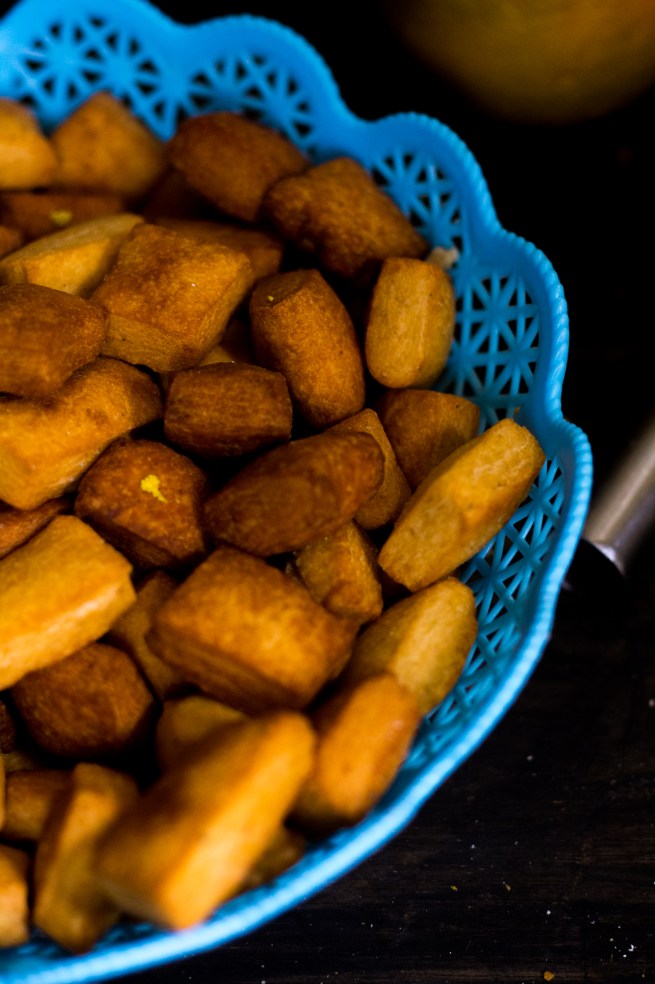
What are Daddies? Daddies are also a childhood snack that just bring back all the memories. Boarding school grub at its finest…If you have been through the Ugandan education system.  I am yet to find out the origin of the daddies and how they came to be called that in the first place. If you don’t know daddies, they are small bite-sized sweet fried flour cubes. Their composition is similar to mandazi although very crunchy since a lot of shortening is used. Since it is still citrus season (check out my last post), I infused orange juice and zest into these daddies to give it a fragrant aroma and fruity taste. They can be eaten on their own or as parfait, or in porridge and anything you like really. There are no rules.


What you will need:

4 C. All Purpose flour

4 Tbsp. Sugar

3 Tsp. Oil/Margarine/butter

1/2 C. Orange juice

1 C. Cold water

1 Tsp. Orange zest

1/2 Tsp . Nutmeg

1/2 Tsp. Ground cloves

1/2 Tsp. Salt


Observations:

To create layers in the daddies,  use the puff pastry technique of rolling and folding the dough. . Fold it three times before cutting.

Method

  1. In a clean bowl, add flour, sugar, salt, nutmeg, cloves, orange zest and mix well.
  2. Rub in the oil/butter/margarine til the flour mixture is coarse.
  3. Pour in the orange juice and mix well. Next pour in the water gradually until a firm dough is formed. Set aside the dough for about 10 minutes.
  4. After 10 minutes, knead the dough till smooth.
  5. Flour your rolling surface and roll the dough to about half an inch in thickness. Using a sharp knife cut the dough into small bite-sized squares.
  6. Place a pan on fire. Add oil and wait for it to get hot.
  7. Add your daddies and fry them till golden brown. Remove from oil and drain.
  8. Serve. Preferably with tea or hot cocoa.
I would like to know, what Ugandan snacks are you able to make at home? Which one do you struggle with?

Also do you think I should make a video for these daddies or not?

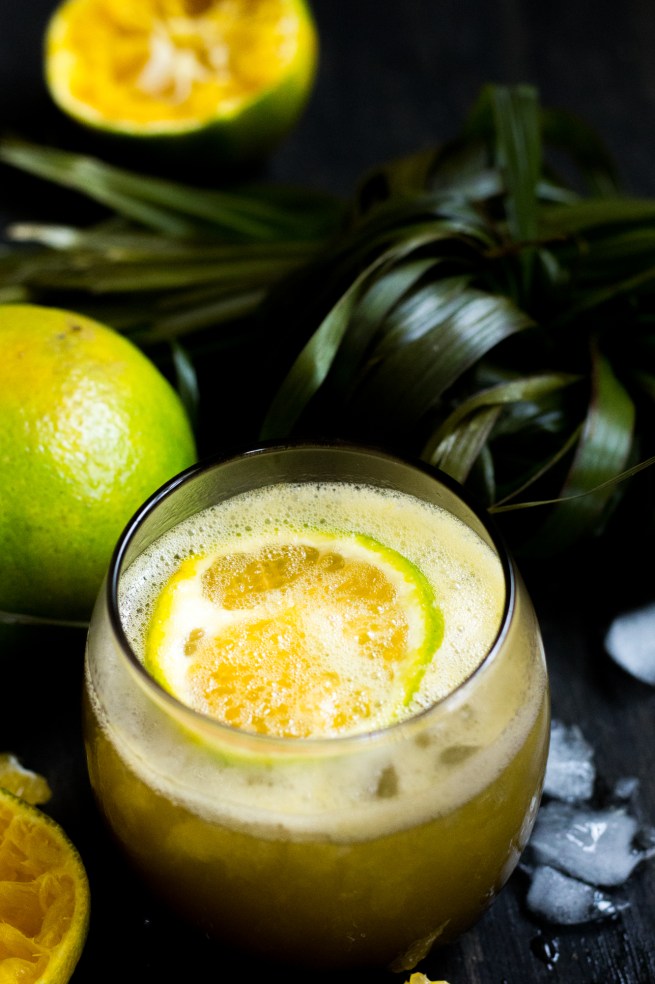
Tangerine Lemongrass Iced Tea

Happy New year Family! How is 2019 coming along? January was a crazy month and I wrote about it on Instagram.
It seems it is citrus season all over the world. At least Instagram says so. My feed for the past two days has been filled with beautiful images of different citrus fruits and it makes me happy. I have been enjoying buying fresh tangerines from the local fruit seller and man are they juicy!
I figure since almost everyone has citrus in abundance, its time to get out the blender and make this tangerine lemongrass iced tea. It is so refreshing, fragrant and easy to make. I have made lemongrass iced tea in the past but when I got a chance to try it with fresh juicy tangerines, I could not resist.
What you will need:
4 large tangerines
4 C Water
A handful of lemongrass
Sugar/honey
Ice
Here is a short video detailing the process.
Method
  1. Bring the 4 cups of water to a boil. Add the lemongrass and let it boil till a sweet aroma is released and it has changed color. This may take about 20 minutes. Remove the tea from fire and let it cool completely.
  2. While the lemongrass tea cools,  cut the tangerines into half and squeeze out the juice. Sieve the juice and set a side.
  3. Once the lemongrass tea has cooled down, combine it with the tangerine juice, sugar and ice in a blender and blend till frothy. Fill your glasses with ice and pour the iced tea into the glasses.
  4. Serve cold.

Tag #AkitchenInUg to share your creations with me.

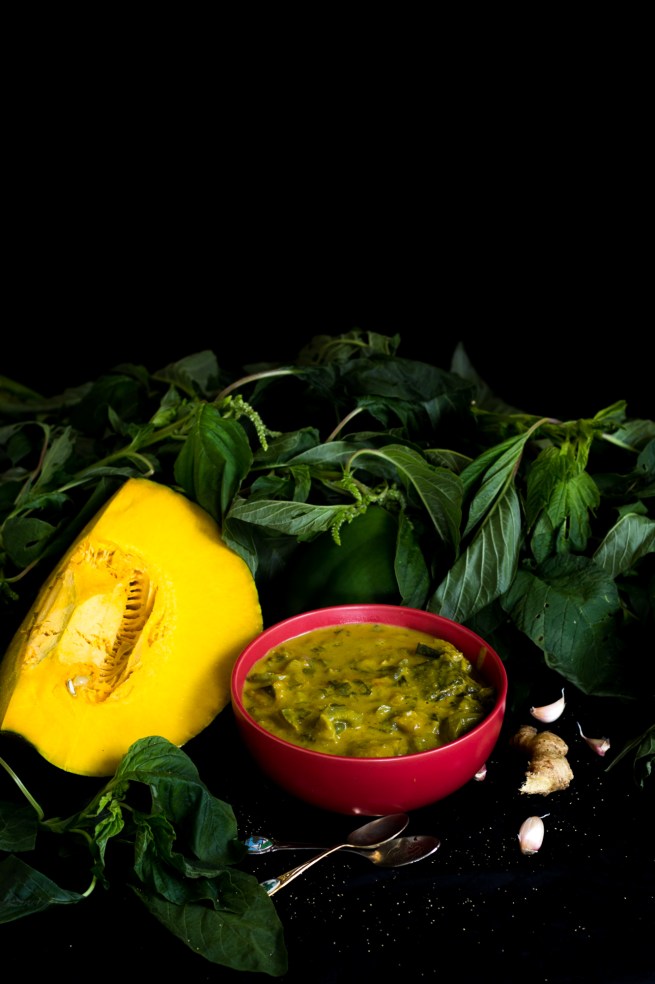
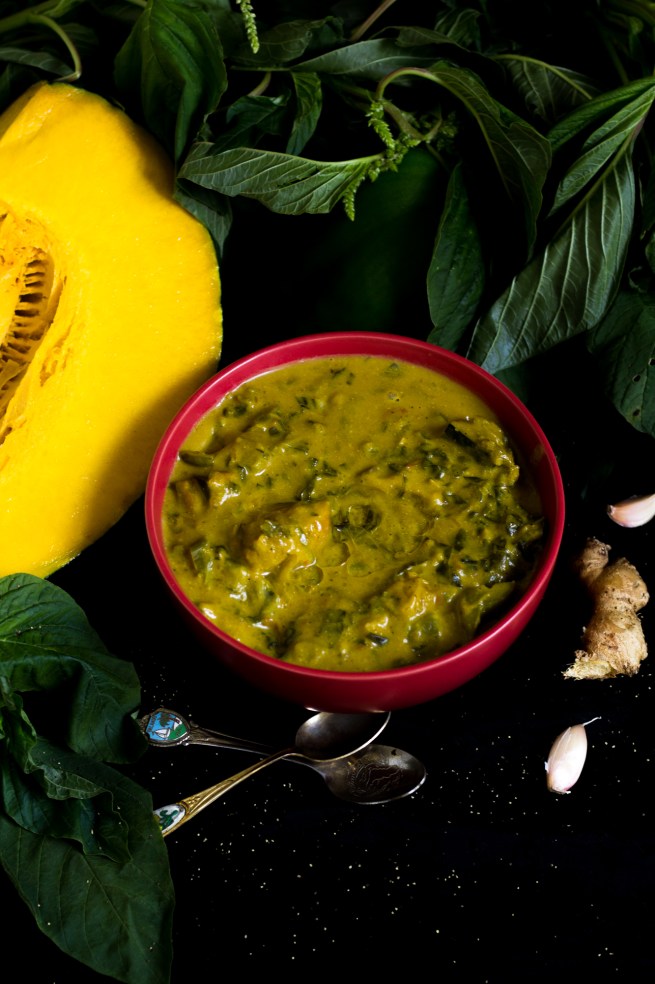
Pumpkin Amaranth Stew + My Thoughts on Dieting

I have been listening to the podcast Eat Capture Share lately and I have learnt a lot from it. I found out about Kimberly (the creative behind the podcast and The Little Plantation) during the Saveur Magazine Blogger Nominations a few months ago. I have learnt a lot of food photography and life tips  from her.  About two weeks ago I listened to the Eat Capture Share Episode 7 and it made me think about a lot of issues in the food space especially as a Ugandan food blogger. The episode is about dieting and intuitive eating. I have seen diet culture all over the social media and even in movies. But as Christy talked about dieting, and how niche food bloggers can consciously or subconsciously push it and its psychological effect on readers and followers, I was intrigued. Intrigued that from my background, it is quite the opposite. Please correct me if I am wrong.  In Uganda, the concept of food blogging is still relatively new let alone niche food blogs. Dieting too is unknown to the regular Ugandan. I was greatly surprised when in the podcast they mentioned that it is poor people who eat “badly”. In Uganda and possibly most sub-Saharan countries, poor people eat “better” than the rich people because they have a limited access to all the finer things in life like supermarkets, packaged and processed foods and sweetened foods. This made me think about the food that I talk about here. I know that as a blogger I have a responsibility to you to be honest and ethical about the food I share. I always emphasize that all the food posted on this blog and my social media accounts is food I eat and make for my family.  My hope and aim with this blog is to inspire you to look at food in a different way and discover the endless possibilities of local Ugandan cuisine. Which is why often times I will not write about mainstream restaurant food because I know that kind of food is uncommon to a regular Ugandan (myself included) and is usually a once in a a while treat. Contrary to what Christy says in the episode, you will find processed foods and meats expensive (unless you rear your own animals) and vegetables cheaper. If anything shopping in supermarkets is associated with wealth and a higher social status in Uganda.

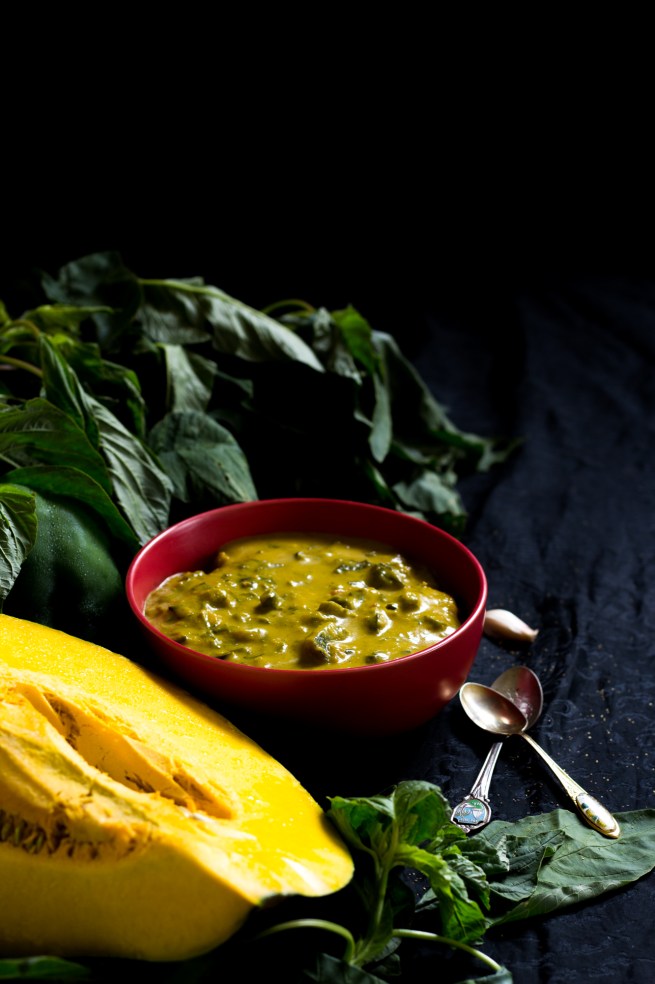
Surprisingly I was making this exact soup while listening to the podcast and it was  just the right timing. This soup is completely vegetarian, vegan even (depending on who is reading this). And I didn’t set out to make it vegetarian by intention. It is food like this that you will find me eating and making for my family because it is relatively easier and “cheaper” to access than let’s say a steak, a pizza, take out etc.

This stew is rich, savory aromatic and hearty with a spicy kick from the chili oil. It is ideal for these rainy moody last days of the year. I think I have made it four times in a row in the past few weeks.  You wont even realize that it is loaded with a lot of dodo/ callaloo!


What you will need:

4 C. Pumpkin, cut in chunks

2 C. Amaranth greens/ Dodo/ Callaloo. coarsely chopped

1/2 C. Coconut milk

1 Large Onion, chopped

3 Garlic cloves, minced

1 Tsp. Ginger, minced

2 Tbsp. Soy sauce

Salt

Black pepper

chili oil (Optional)

1 Tbsp.  Oil

2 C. Water


Observation.

  1. If you cannot access coconut milk, substitute it with groundnut paste or peanut butter. The taste will be a little different though but still very flavorful and rich.
  2. The two cups of water will be used to make the soup. You can substitute the water with vegetable or chicken stock.
  3. Depending on the consistency you desire, you may need more or less water/stock. Keep in mind that as the stew simmers, the pumpkin will continue to disintegrate causing the stew to thicken.


Method

  1. Place the pan on high heat. Add the oil.
  2. Add the garlic and ginger and fry till an aroma is released. Add the onion and cook till translucent.
  3. Next add the pumpkin chunks and mix till they are well coated with the aromatic garlic, ginger and onion.
  4. Add a quarter cup of water and cover the pan. Let the pumpkin cook for about 10 minutes or until slightly cooked through.
  5. Once the 10 minutes are over, remove the cover from the pan and add the amaranth greens/dodo/callaloo, chili oil, soy sauce, salt and black pepper. Mix well.
  6. Add the coconut milk and mix well. Finally add the rest of the water.
  7. Reduce the fire and let the stew simmer on low heat for 20-25 minutes.
  8. Remove from fire once a thick bubbling stew is formed.
  9. Serve hot with your favorite carbohydrates (posho, rice, yams, potato etc)

Please if you have time go listen to the episode and come back  so we can have a conversation. What do you think about dieting in Uganda or Sub-Saharan Africa as a whole?